Decode Leg Crosses Dating Signals on First Dates
Decode leg crosses dating signals to read early interest without guesswork. Spot direction, ankle position, and frame calibration moves that work on real date
Decode Leg Crosses Dating Signals on First Dates
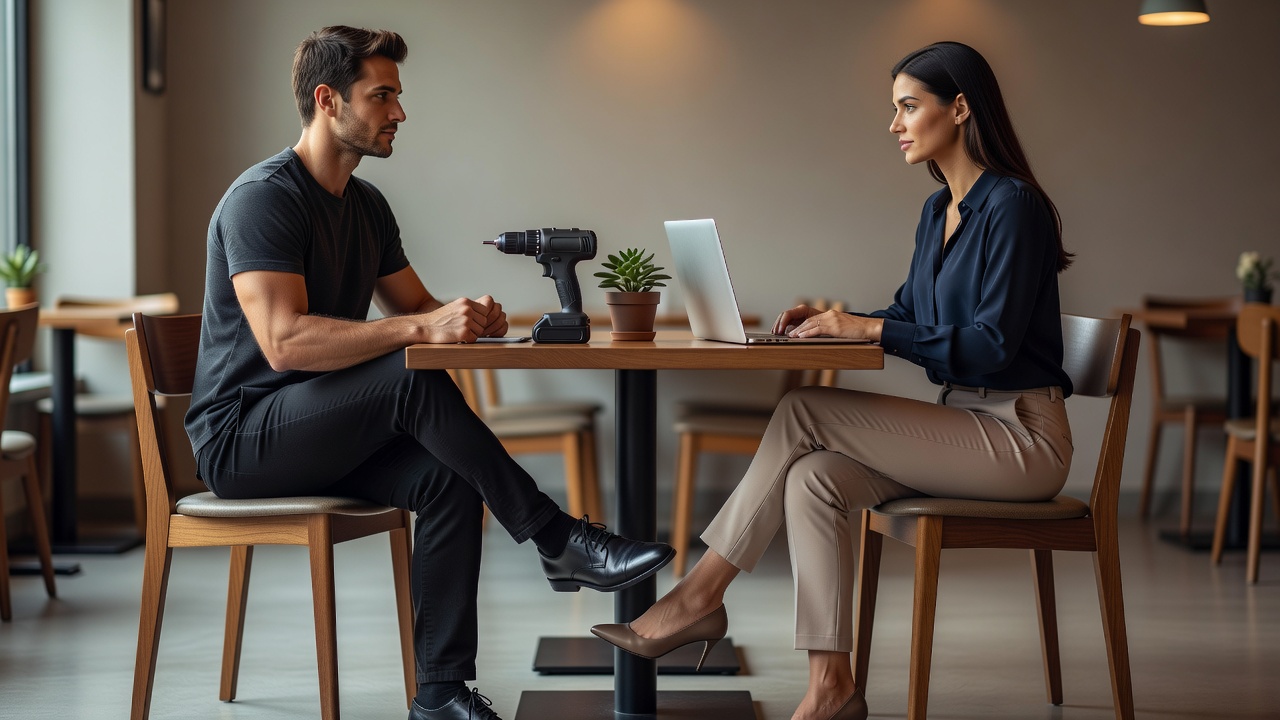
Most men miss the first clear posture cue on a date. Her leg crosses show direction and openness within the first ten minutes if you watch the knee angle and foot placement.
Key takeaways
- Crossed knees point the direction of her attention.
- Ankle lock signals caution or discomfort.
- Open leg positions allow easy frame resets.
- Read the cue then test with one short question.
- Repeat the check every fifteen minutes.
Leg Direction Points to Interest Level
Watch where the top knee faces after she settles. When the knee orients toward you, interest stays high. When it points away, her attention has shifted.
Run this check once she sits:
- Note the initial cross within ninety seconds.
- Track if the knee stays fixed or drifts.
- Count any uncross and recross moves.
- Compare the final position to her first one.
Read shoulder shrugs dating to gauge interest fast the same way you track knee angle. On dates where the knee drifts away twice, switch topics within sixty seconds to test recovery speed.
Own Posture Sets the Baseline
Your seated position influences how she crosses her legs. Sit with one ankle on the opposite knee and shoulders squared. This open frame often prompts her to mirror or open her own posture within three minutes.
Baseline posture sequence
- Plant both feet flat before she arrives.
- Shift to crossed legs only after the first drink order.
- Keep shoulders back when she crosses toward you.
- Lean back slightly if her ankles lock.
- Reset feet flat if conversation stalls.
Research from the American Psychological Association confirms that aligned postures increase perceived warmth in initial meetings. nonverbal communication research shows these adjustments happen faster when one person leads with steady positioning.
Ankle Lock Versus Loose Cross
Ankle lock over the knee shows hesitation. A loose cross with the foot relaxed shows comfort. The difference appears in how quickly she adjusts her feet when you speak.
Ankle position checklist
- Locked ankles: slow your pace and shorten statements.
- Foot flat on floor: continue the current topic.
- Foot pointing at you: ask a direct follow-up.
- Foot tapping: change subject within one minute.
Add a second check after any topic change. If the lock releases, continue. If it tightens, end the thread and move to logistics.
Knee Angle and Frame Calibration
A wide knee angle after crossing keeps the frame open for you to lead. A tight angle near the body requires you to reset warmth plus confidence before pushing further.
Do this
- Match her pace when knees stay tight.
- Hold eye contact two seconds longer when knees open.
- Offer a short story when the angle stays closed past five minutes.
Not this
- Lean in when knees tighten.
- Talk longer to fill silence.
- Ignore the second cross adjustment.
Compare Leg Cues to Other Signals
Leg crosses work best next to shoulder and eye data. Use the table below to decide which cue to trust first.
| Cue Type | Reliability on First Date | Quick Test | Next Move |
|---|---|---|---|
| Knee direction | High | Ask about her week | Shift topic if knee moves away |
| Ankle lock | Medium | Change to lighter subject | Watch for unlock in two minutes |
| Foot point | High | Pause after your last sentence | Speak again only if foot stays |
| Shoulder angle | Medium | Lean back slightly | Match her lean if open |
Best PDF pupil dilation dating read signals fast pairs with leg checks for faster reads. A 2018 university study on posture and rapport found knee orientation predicted conversation length more reliably than facial expressions alone. posture and rapport study
Real Time Reading Sequence
Apply these steps every fifteen minutes on the date:
- Scan knee direction first.
- Check ankle tension second.
- Note any foot movement toward or away.
- Run one short calibration question.
- Record the response in your head only.
This sequence keeps you present without staring. On longer dates add a sixth step: compare the current cross to the one from the prior interval.
Common Misreads and Fixes
Men often treat every cross as rejection. Most crosses are neutral until the direction changes. Fix the error by waiting for two consistent signals before deciding.
Fix list
- Wait for the second cross before reacting.
- Ignore one-time shifts during menu reading.
- Test with a neutral question after any big change.
- Reset your own posture before speaking again.
Balance talking listening dates 5 calibration rules shows how to adjust airtime after a leg cue appears.
Edge Cases on Noisy or Group Dates
Loud venues change how legs rest. She may cross away simply to hear better. In these settings run the sequence twice before acting.
Edge case adjustments
- Note venue noise level before first scan.
- Allow extra thirty seconds for any position change.
- Watch for uncross when background sound drops.
- Use hand gestures to draw her knee back toward center.
- End early if both knees stay turned outward past thirty minutes.
When to Act on the Signal
Positive leg direction gives you permission to extend the date or suggest the next step. Negative direction tells you to slow down or end cleanly.
Action rules
- Knee toward you after twenty minutes: offer dessert or another drink.
- Knee away after twenty minutes: finish the current topic and close.
- Ankle unlock after your test question: continue.
- Ankle stays locked: wrap the date in the next ten minutes.
Link Leg Reads to Future Plans Checks
A consistent open leg position across the evening supports reading future plans interest later. Use the same observable checks you already practiced on posture.
Read future plans interest with these checks once the leg signals stay positive.
Conclusion
Track knee direction and ankle tension on every first date. Run the five-step sequence twice before the check arrives. Adjust your next sentence based on the result. Download the editorial PDF guides at https://playbookelite.com to keep the full calibration steps in one place.
Next steps
- Practice the knee scan on your next two dates.
- Note the outcome in a private log after each date.
- Compare three dates before changing any habit.
- Pair the leg check with one other cue from the table.
FAQ
How long should I watch before deciding on a leg cross?
Watch for ninety seconds after she settles, then confirm with one more check fifteen minutes later.
Does every crossed leg mean disinterest?
No. Direction and ankle tension matter more than the cross itself. A knee toward you keeps options open.
What if she changes position often?
Count the final position after your last question. Frequent changes usually track topic shifts, not overall interest.
Can I test the signal directly?
Yes. Ask a short neutral question and watch the knee or foot move within thirty seconds of your words.
Should I mention posture on the date?
Never. Keep every observation private and act only on the data you collect.