PDF Guides vs Apps for Frame Practice Results
PDF guides vs apps frame practice shows which delivers repeatable results without daily fees or shallow drills. Compare depth, ownership, and real calibration
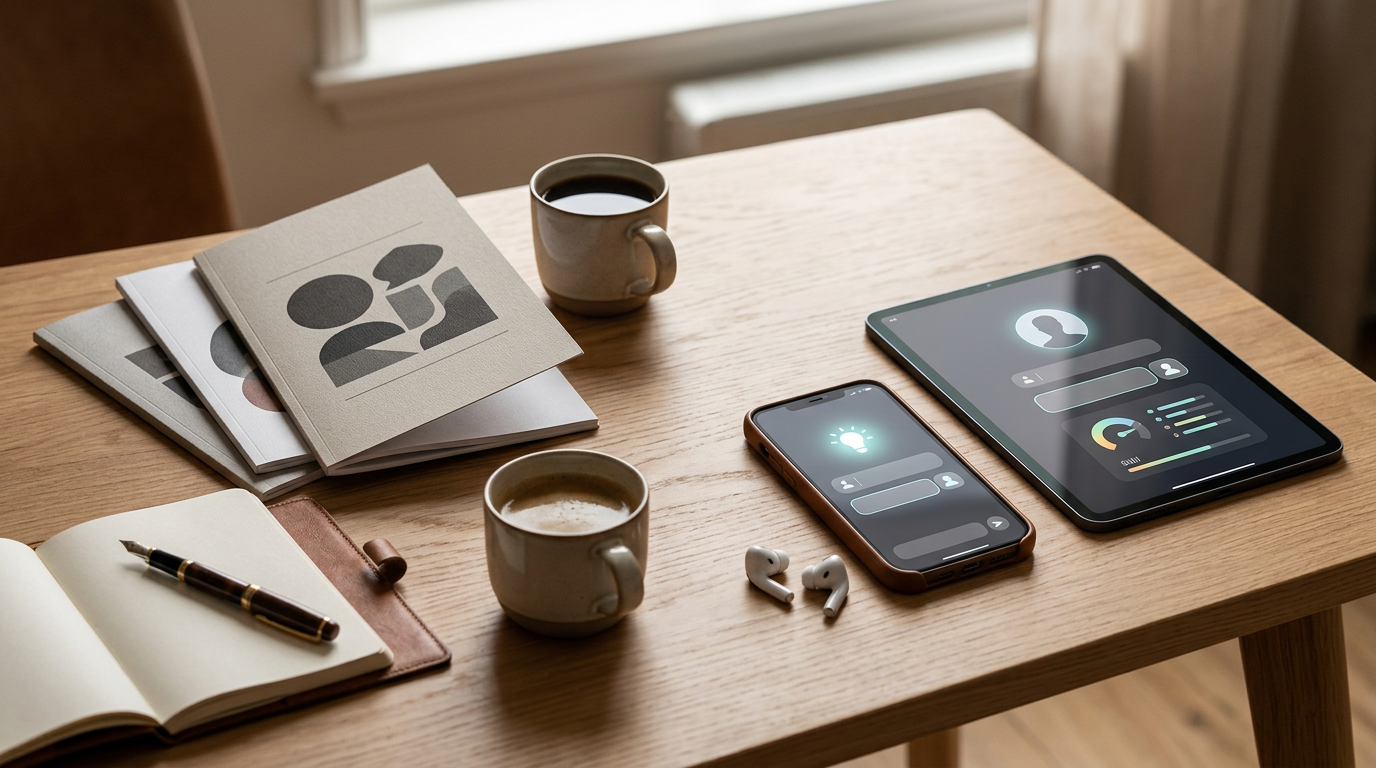
PDF Guides vs Apps for Frame Practice Results
PDF guides deliver denser frame practice than apps because they supply exact sequences you can repeat without notifications or gamified points. The first 80 words of any comparison start here: apps reward volume of taps while PDFs train observable behaviors like posture resets and opener choice that hold under pressure. Men rebuilding edge need tools that survive bad days and real interactions, not streaks that vanish when motivation dips.
Key takeaways
- PDFs lock in one-time ownership for repeated reference
- Apps push short sessions that rarely build settled frame
- Direct drills from guides produce faster calibration than streak counters
- Real experience shows frame improves most when you audit specific signals daily
- Guides include repair sequences for pauses and rejections that apps skip
Why Frame Practice Needs Depth Over Repetition
Frame breaks when you reach for a scripted line instead of reading the actual moment. PDF guides break each element into controllable moves such as initial posture, handshake pressure, and first-sentence tone. Apps rarely isolate these because their design favors quick completions over calibration. You run a phone-camera audit once, then reference the same checklist before every interaction. That single habit compounds faster than daily app streaks.
Consider a common scenario: she shifts weight during your opener. The guide directs an immediate volume drop and neutral follow-up rather than pushing harder. This observable adjustment keeps frame intact where app drills offer only generic encouragement.
PDF Structure vs App Gamification
PDFs organize material into sections you finish in one sitting yet return to for targeted fixes. Apps fragment content into micro-lessons that interrupt flow.
- Step 1: Open the guide to the exact section on statement versus question openers
- Step 2: Practice the three example lines aloud twice
- Step 3: Record a 20-second test and compare against the audit criteria
- Step 4: Note the single adjustment for tomorrow
- Step 5: Cross-reference the warmth versus settled confidence markers
- Step 6: Log the outcome in two sentences for later review
Apps instead reward completing three short modules before the timer ends, leaving no space for the micro-calibrations that actually move results.
Cost and Ownership Comparison
| Factor | PDF Guides | Apps |
|---|---|---|
| Payment model | One-time payment, yours to keep forever | Monthly or yearly subscription |
| Reference access | Instant PDF download on any device | Locked behind login and paywall |
| Update frequency | Stable content built on psychology and real experience | Frequent changes that reset your progress |
| Distraction level | Zero notifications during drills | Built-in streaks and badges |
| Depth per session | Full sequences you can finish in one sitting | Bite-size tasks that rarely connect |
| Long-term retention | Permanent file stored locally | Access ends with subscription |
One-time payment removes the friction of deciding whether today’s session is worth the recurring cost. The table above shows why ownership matters for frame work that requires weeks of repeated reference.
How to Use a PDF Guide for Daily Frame Drills
Run these seven drills straight from any quality guide.
- Morning posture reset: stand, walk six steps, and check shoulder position in a mirror
- Eye contact calibration: hold gaze for three seconds then break naturally while speaking
- Statement opener practice: deliver five variations without upward inflection
- Rejection reset sequence: drop shoulders, breathe once, pivot to neutral topic
- Evening text review: check reply timing against the calibration patterns
- Group steering test: practice holding focus with one added distraction
- Signal audit: note three posture cues observed in real interactions
Daily habits social confidence routines give the exact order for these drills. Each item takes under four minutes yet builds the repeatable edge that compounds.
Limitations of App-Based Tracking
Apps measure completion, not quality of frame. You can finish every lesson yet still lean forward, rush openers, or lose posture after a pause.
- No built-in camera audit
- No side-by-side comparison of warmth versus settled confidence
- No repair steps for conversational missteps
- Progress resets when you miss a day
- No guidance on reading her posture signals in real time
- No first-impression seven-second checklist
Handle rejection without losing frame shows the concrete resets apps omit. These gaps turn daily use into surface-level activity rather than lasting calibration.
Observable Signals PDFs Train You to Read
PDFs isolate the exact micro-movements that reveal interest or withdrawal. You learn to notice and adjust in the moment instead of guessing.
- Shoulder angle shift during your statement
- Foot orientation away from you after thirty seconds
- Blink rate increase paired with sustained eye contact
- Hand position changes when you lower volume
- Head tilt direction after a neutral pivot
- Breathing rhythm visible in upper chest
- Smile duration versus eye crinkle mismatch
- Weight distribution on back foot during pauses
These eight signals appear across multiple guides and let you run immediate tests. How to Read Her Posture Signals in Real Time supplies the matching calibration steps for each one.
When Apps Can Supplement PDFs
Use an app only after the PDF drills are already running. Track reply times or set a single daily reminder. Never let the app become the main practice tool.
The best PDF for learning conversation frame already contains the sequences most apps try to gamify. This order prevents the common error of chasing metrics while frame stays unaddressed.
Evidence from Learning Research
Deliberate practice research shows spaced, self-paced review outperforms fragmented sessions. APA resources on deliberate practice confirm that immediate feedback on observable behaviors produces faster gains than points or badges.
NIH review on skill acquisition further notes that reference materials kept permanently support repeated calibration better than subscription platforms. The pattern holds across skill domains: depth plus ownership beats volume plus reminders.
Building Repeatable Habits with Guides
Start with the first impression audit section. Run the seven-second camera check once. Then reference the same criteria before the next three interactions. This single loop beats any app streak.
First impression audit camera review supplies the exact checklist. Return to it on low-energy days when external motivation is absent.
Next Steps
Download one PDF guide today. Complete the opening section in a single sitting. Run the posture and opener drills tomorrow morning. Track only the observable signals for seven days. Revisit the same pages whenever frame slips. That pattern is the practical difference between pdf guides vs apps frame practice. The one-time payment model supports exactly this kind of sustained, low-friction reference.
FAQ
Does a PDF guide replace all app practice?
No. Keep one lightweight app for timing reminders only after the core drills from the PDF are in place.
How long does one PDF take to finish?
Most sections finish in one sitting. The full guide stays useful for repeated reference across months.
Can apps teach frame calibration?
Apps track volume but rarely isolate specific signals such as eye contact patterns or posture resets that eye contact patterns interest guides cover directly.
What happens if I lose the PDF file?
One-time payment includes instant PDF download. Store the file locally so it remains yours to keep forever.
Which costs more over six months?
PDF guides win on cost because there are no recurring charges after the single purchase.